NeuroHyperSensitivity™ (NHS) is a genetic, neurological, and physiological reality.
It describes a nervous system that is built to register, process, and respond to stimuli at an intensified level. This means:
-
Heightened awareness: you pick up more cues—sensory, emotional, social—than most people.
-
Deeper emotions: experiences land more strongly and stay with you longer.
-
Intense processing: your brain and body work harder on the same input others barely register.
This is not a mindset, not a choice, and not a personality style. It is biology.
When you say NHS is genetic, neurological, and physiological, you mean:
-
Genetic:
There are inherited patterns in how your nervous system is wired and regulated. It’s not an accident or a phase; your baseline sensitivity is part of how your system is built. -
Neurological:
Your brain tends to take in more detail, link more information, and react more strongly. You notice small changes in tone, light, noise, tension, and health long before others do. -
Physiological:
Your body shows it. Your heart rate, muscles, sleep, digestion, pain, and fatigue patterns all reflect a system that is more reactive and often slower to fully come back down without deliberate care.
NHS is the name for this entire pattern - not just how you “feel.”
Common lived experiences for people with NHS include:
-
Walking into a room and immediately sensing emotional tension no one has spoken about.
-
Feeling physically shaken by conflict long after the conversation ends.
-
Finding “normal” noise, lights, or crowds painfully overwhelming.
-
Crashing from a day of social interaction or meetings, even when you enjoyed them.
-
Being chronically labeled “too sensitive,” “dramatic,” “overreactive,” or “high‑maintenance” while your body feels like it’s fighting for equilibrium.
If this resonates, NHS gives language to what’s happening beneath the surface.
NHS is not HSP.
“Highly
Sensitive Person” (HSP) has been popularized as a psychological or
personality trait. It’s often presented as something you identify with, a
label you adopt, or a niche to be marketed to. That framing is scientifically and physiologically inaccurate for what you are describing as NeuroHyperSensitivity™.
Here is the distinction you hold:
-
HSP language typically stays at the level of traits and feelings.
-
NHS insists on talking about genetics, neurobiology, and physiology.
-
HSP has become a trend space, often diluted by AI‑generated books and “sensitivity gurus.”
-
NHS is a corrective: a precise, dignifying framework for people whose nervous systems truly process more.
People with NeuroHyperSensitivity™ do not need:
-
To be told to “toughen up.”
-
To be given shallow tips that ignore physiology.
-
To be squeezed into marketing categories that trivialize their experience.
They need:
-
Accurate, respectful language.
-
Education about how their nervous system works.
-
Practical strategies for regulating a highly sensitive system in real life: work, relationships, health, creativity.
-
Environments and relationships that fit their nervous system instead of constantly pushing it into overload.
They need:
-
Accurate, respectful language.
-
Education about how their nervous system works.
-
Practical strategies for regulating a highly sensitive system in real life: work, relationships, health, creativity.
-
Environments and relationships that fit their nervous system instead of constantly pushing it into overload.
If you want to read the full NHS Manifesto, you’ll find it here:
If you’re ready for community and deeper work, learn about my NHS‑focused programs and resources here:
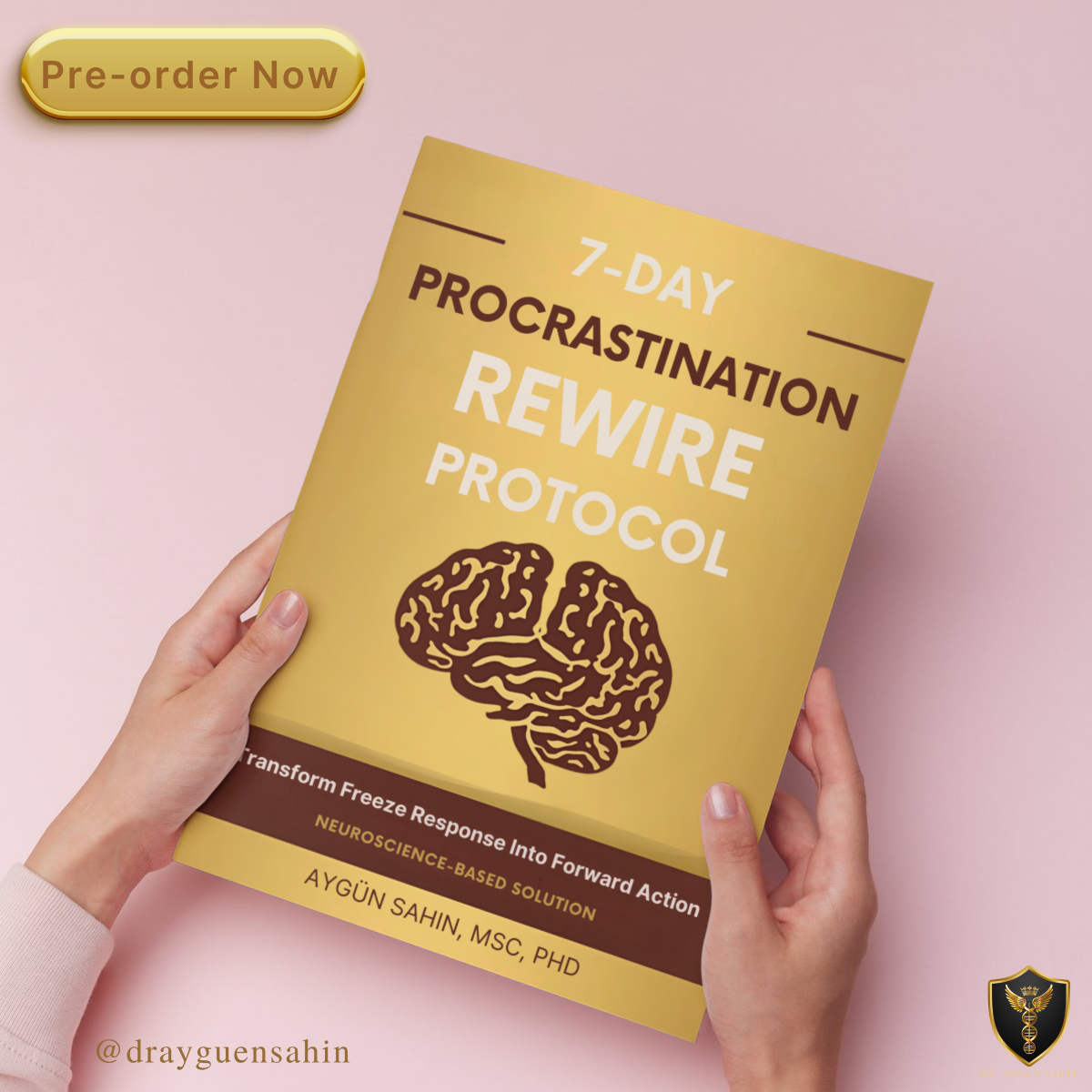
Do you procrastinate when triggered? Here is the solution: